
Peipsi järv ja kliimamuutused | Lake Peipsi and climate change
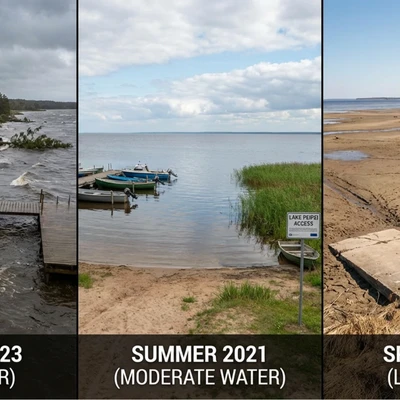
Climate Crisis in the Lake Peipsi Basin highlights the direct impacts of climate change on Europe’s largest transboundary lake, whose ecological balance is under growing pressure. Since the 1960s, Estonia’s average air temperature has risen by about 0.4°C per decade, reflected in the steady warming of Lake Peipsi. In the winter of 2019/2020, no stable ice cover formed — a clear sign of rapidly changing climate conditions.
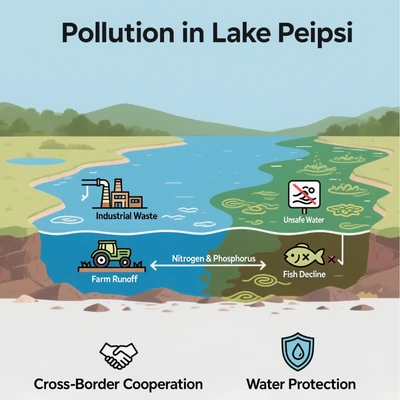
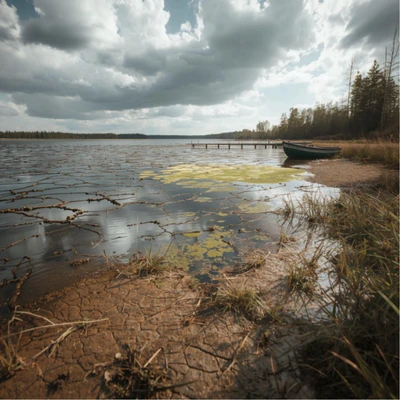
Warmer water and fluctuating water levels release phosphorus from sediments, while nutrient imbalance promotes harmful cyanobacterial blooms. Oxygen depletion, ammonia formation, and rising alkalinity weaken fish populations and disrupt the food web. Once critical ecological thresholds are crossed, changes may become irreversible.
The European Green Deal and EU frameworks such as the Water Framework Directive and cross-border research and monitoring programmes create important tools for cooperation in protecting and restoring Lake Peipsi. While climate change cannot be fully stopped, eutrophication can be slowed by reducing agricultural and urban pollution. This work shows both the damage already occurring and the real opportunities for coordinated European action and responsible local intervention.