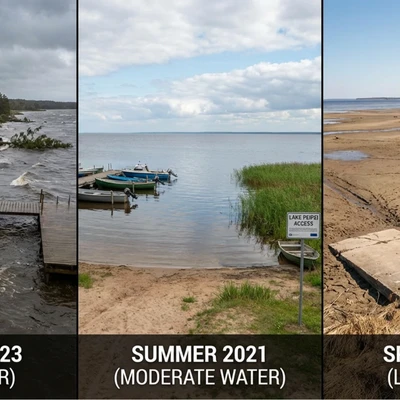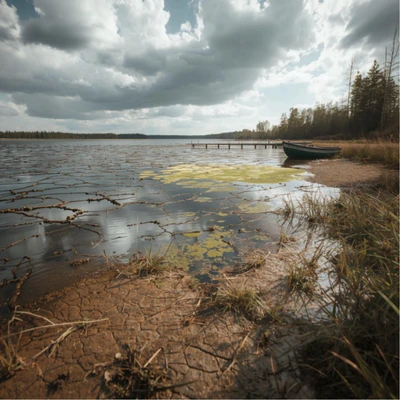

Läänemere rannik Hiiumaal | Baltic sea coast, island of Hiiumaa
This work builds on the long tradition of documenting Estonia’s coastal landscapes, which began in the late 19th century with photographs of the Baltic Sea shoreline and island communities.
In the 1920s and 1930s, photographers recorded traditional island life and distinctive coastal environments. During the Soviet period, coastal photography was restricted due to border zone limitations. After Estonia regained independence in 1991, a new wave of environmental documentation emerged, capturing both conservation successes and growing ecological threats.
The project is also inspired by scientific practices in coastal geomorphology and ecology, where photography serves as a tool for long-term monitoring of erosion and storm impacts. Researchers from the University of Tartu and Tallinn University of Technology have created visual archives of Estonia’s coastline over decades.
This work continues that tradition by documenting visible and measurable signs of climate change on the Baltic Sea coast Stronger and more frequent storms are accelerating coastal erosion and flooding sandy shorelines. Fragile ecosystems such as dunes and coastal meadows are particularly vulnerable.
Storm surges destabilize habitats and reshape the shoreline, threatening biodiversity and nearby settlements.
EU climate adaptation strategy and coastal protection policies recognize the exceptional vulnerability of coastal ecosystems.Sea-level rise, intensified storms, saltwater intrusion, rising water temperatures, and ocean acidification collectively affect coastal regions.
As a small island with limited resources and a unique cultural heritage, Hiiumaa faces specific adaptation challenges.The work documents an ongoing process rather than a distant future scenario.
It presents climate change as a measurable and observable transformation that calls for coordinated European and local responses.